WRDA 2024 & Beyond: What the New Waterways Bill Means for Barge Operators in 2026
For many barge operators, federal infrastructure bills feel distant —the kind of policy news that trickles down years later, if at all. But the Water

For many barge operators, federal infrastructure bills feel distant —the kind of policy news that trickles down years later, if at all. But the Water

Most mid-sized barge operators have had at least some experience with scaling their business, but barge operators growing from small to mid-size will not necessarily

2025 brought one of the strongest funding environments barge operators have seen in decades. Between new rounds of Port Infrastructure Development Program (PIDP) grants, expanded

Drought and low water levels are becoming a more regular part of barge operations. The last three years have seen extreme drought conditions, leading to

Freight demand is strong, but your profit margins don’t paint the same picture. Why? You can attribute some of it to issues outside of your

It may look like national and global logistics companies make progress in unbelievable leaps and bounds on a daily basis, and that staying competitive with

Every business tracks metrics. But in barge transport, the difference between profit and loss often comes down to focusing on the right few. Key Performance

Picture this: It’s 5:45 AM, the phone’s already ringing, river conditions just changed overnight, and you’ve got to find a crew replacement before the towboat

The Hidden Costs of Manual Data Entry

By Aaaatu – Own work, CC BY-SA 4.0, https://commons.wikimedia.org/w/index.php?curid=147237520 The world’s busiest ports are getting smarter. In places like Rotterdam, Singapore, and Los Angeles, new

Navigating the New IMO Emissons Framework: What It Means for Inland Barge Transport

How Much Fuel Does a Barge Use? (And How Can Fuel Costs be Lowered?)

The maritime world is going digital—but not all at once, and certainly not without friction. For inland marine companies that have operated for decades on

Efficiency is the name of the game in barge transportation—but when you’re towing liquids, the rules change. Hauling fuel, chemicals, or other liquid cargo adds

The barge transport industry is at a crossroads. As global pressure mounts to reduce carbon emissions and operate more sustainably, companies across the logistics sector

The regulatory landscape in the barging industry is dynamic. Older regulations are often changed or removed and new regulations are implemented. Barge companies must stay

The world relies heavily on the barge transport industry to ship everything from food to petroleum. The Gulf Intracoastal Waterway alone transports 100 million tons

Data-driven decision making through predictive analytics has made a significant impact on nearly every industry over the last few years. It is not hard to
In logistics, small inefficiencies quickly compound into major costs. For barge transport companies, optimizing fuel use, reducing downtime, and improving cargo handling can significantly impact

Anyone in the maritime industry knows that the working conditions for barge crew and other maritime employees can be dangerous when precautions are not taken.

Like many other industries, the barge transportation industry is undergoing something of a digital revolution: More and more workflows are being carried out with the

The vessel management software market offers no shortage of options. Valued at $1.8 billion in 2023, it’s expected to more than double to $3.95 billion

If a customer emailed you right now with an invoice question, how quickly would you be able to respond? Would you need to dig through

While the future has some degree of uncertainty, there is much we can glean from past trends in the barge industry. It is particularly helpful

A new barge with covers can cost around a million dollars and the tugs that pull them can cost far more, depending on the specifications.

For barge company owners and leaders in the maritime industry, staying informed about the forces shaping the sector is vital to navigating challenges and seizing

In the modern world, staying competitive means embracing new technologies that drive growth, efficiency, and sustainability. The inland marine industry is no exception. At BargeOps,

Rate setting is one of the most complicated elements that goes into billing for towing services. It’s also one of the most fundamental and essential.

The aging infrastructure of inland waterways has been a challenge for the shipping industry for some time. With the passing of the Bipartisan Infrastructure Law,

Today’s businesses run on data, and marine transport businesses are no exception. But collecting, sharing, and analyzing data are trickier when factoring in not only

Let’s say that you’ve had some early success with your barge transport company, and that you feel you are ready to scale your operations. There
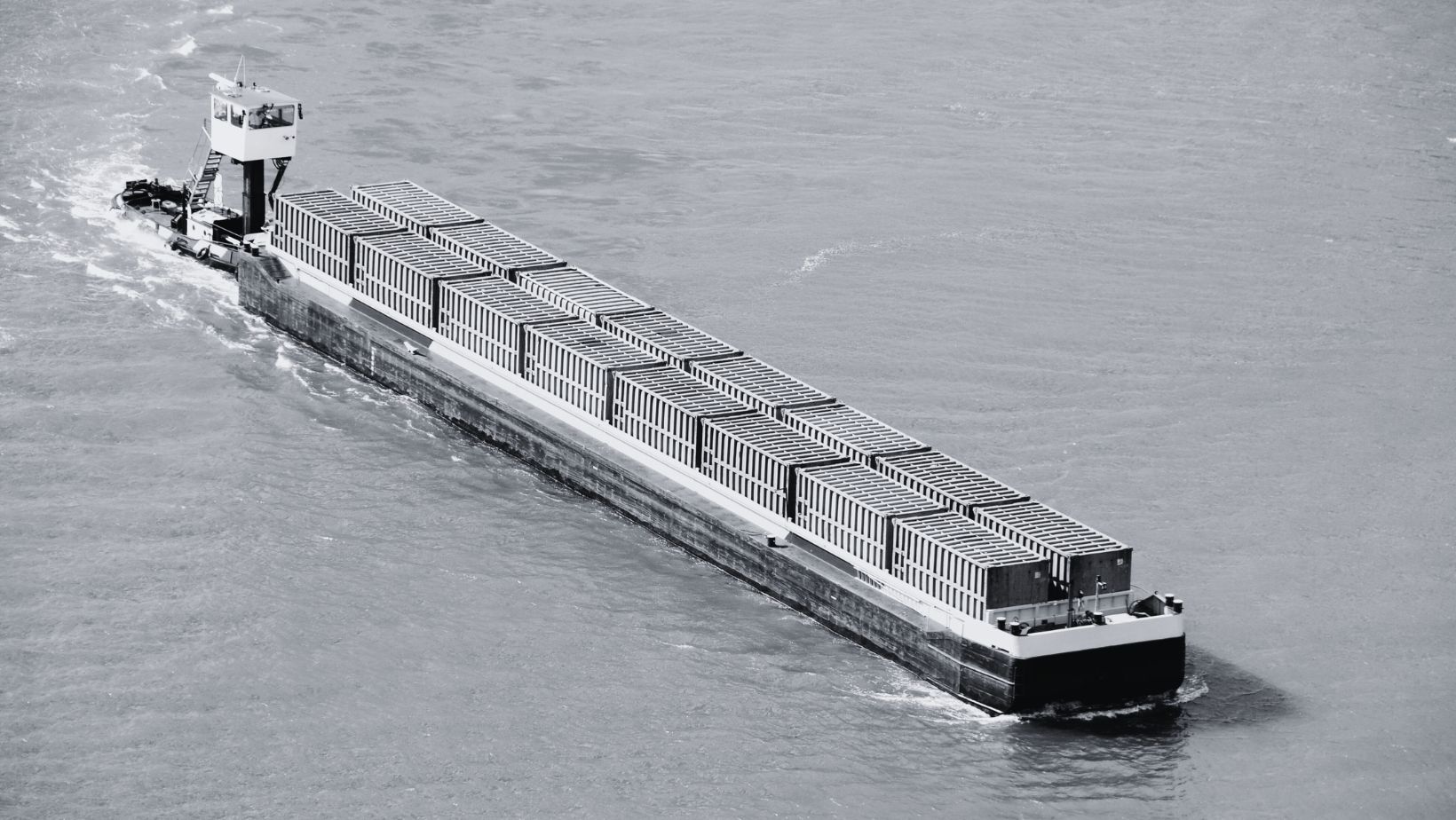
Amid all the challenges of daily operation in the barge transport industry, marine cybersecurity may not be the first thing that springs to mind. Yet,
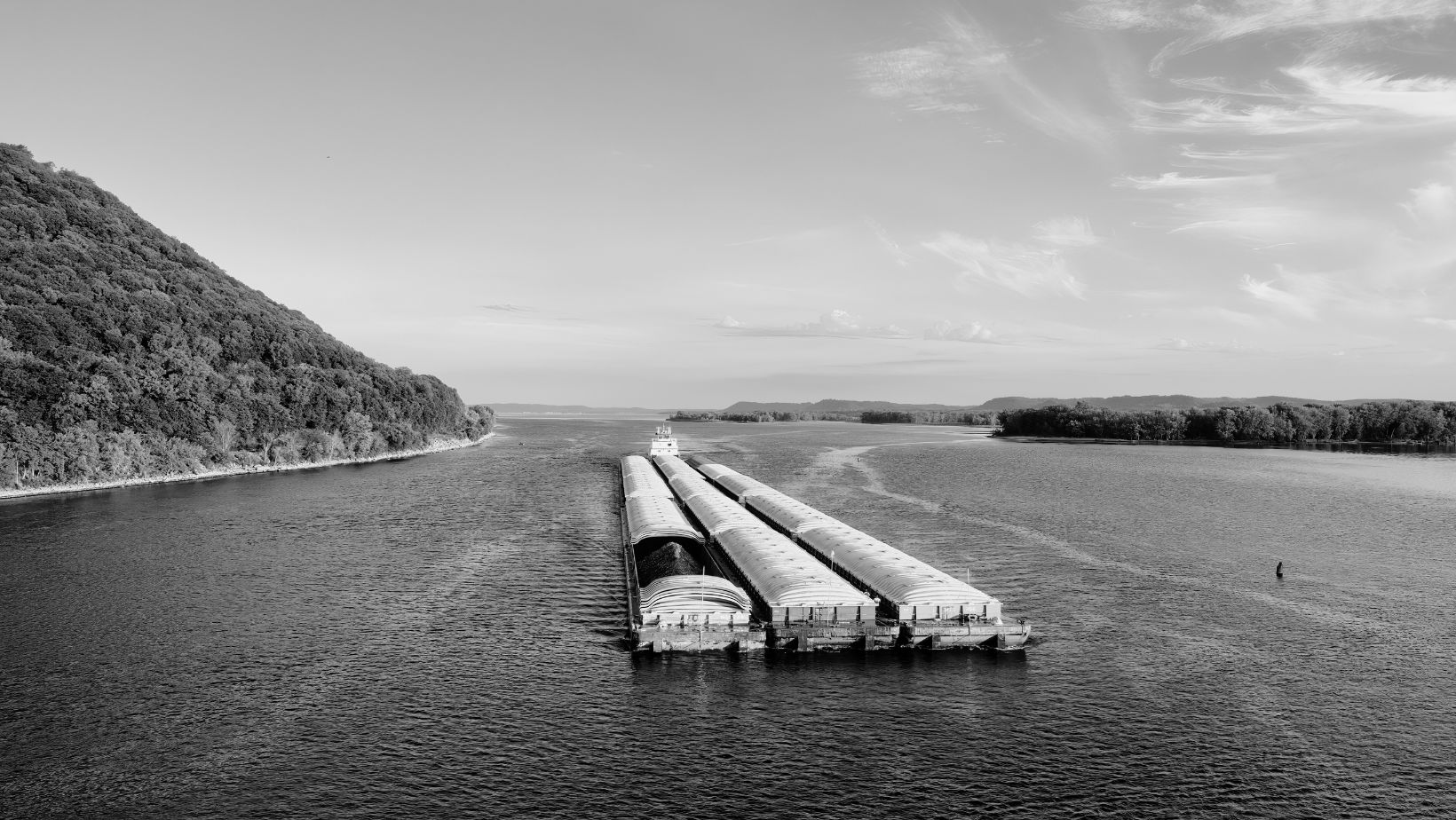
The barge transportation industry has been vital to the US economy for centuries, providing a cost-effective and environmentally sustainable way to move massive quantities of
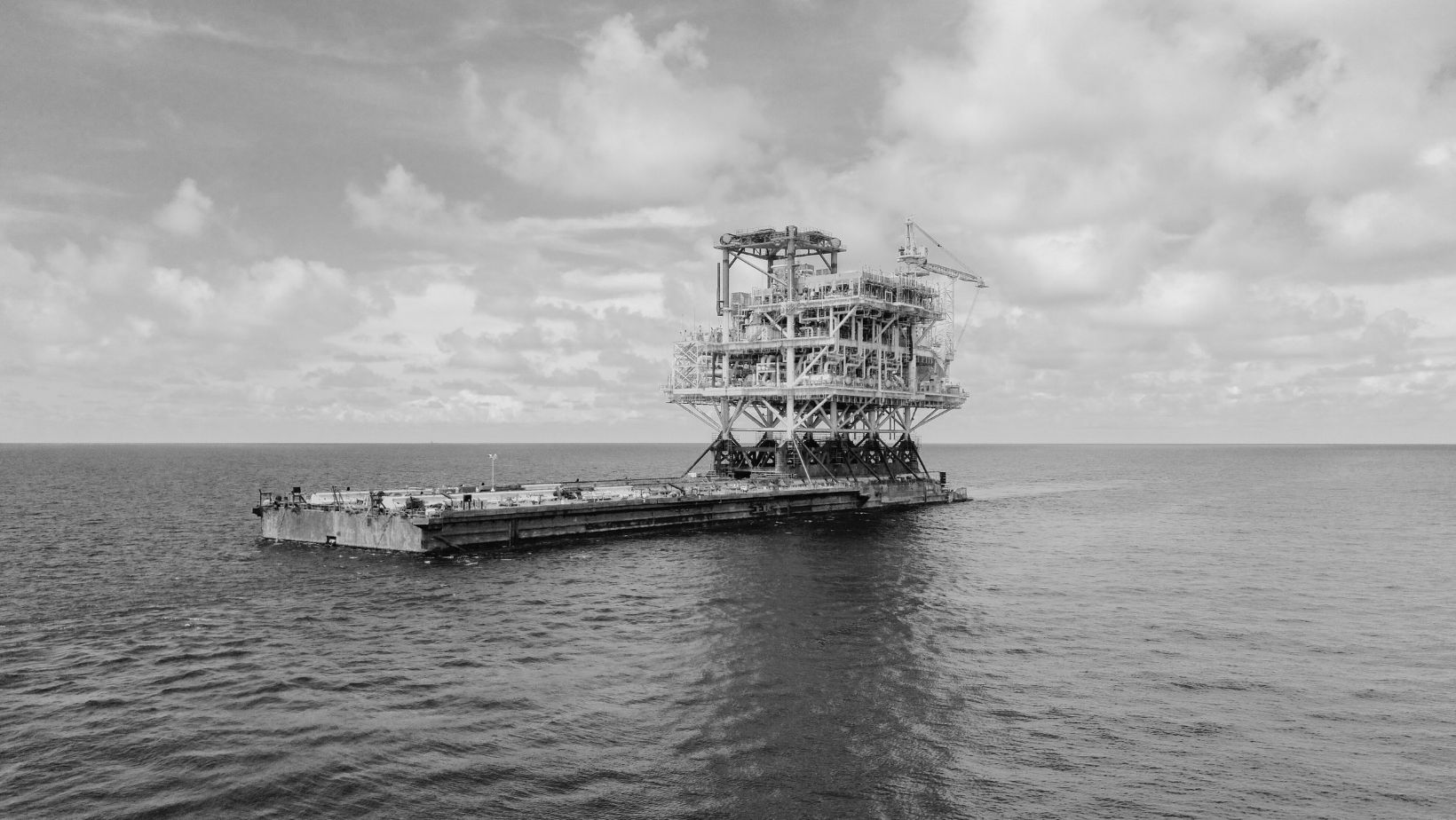
Tugboat and barge workers are especially susceptible to danger while working on inland waterways. Despite OSHA barge safety guidelines for preventing slips on deck, wearing
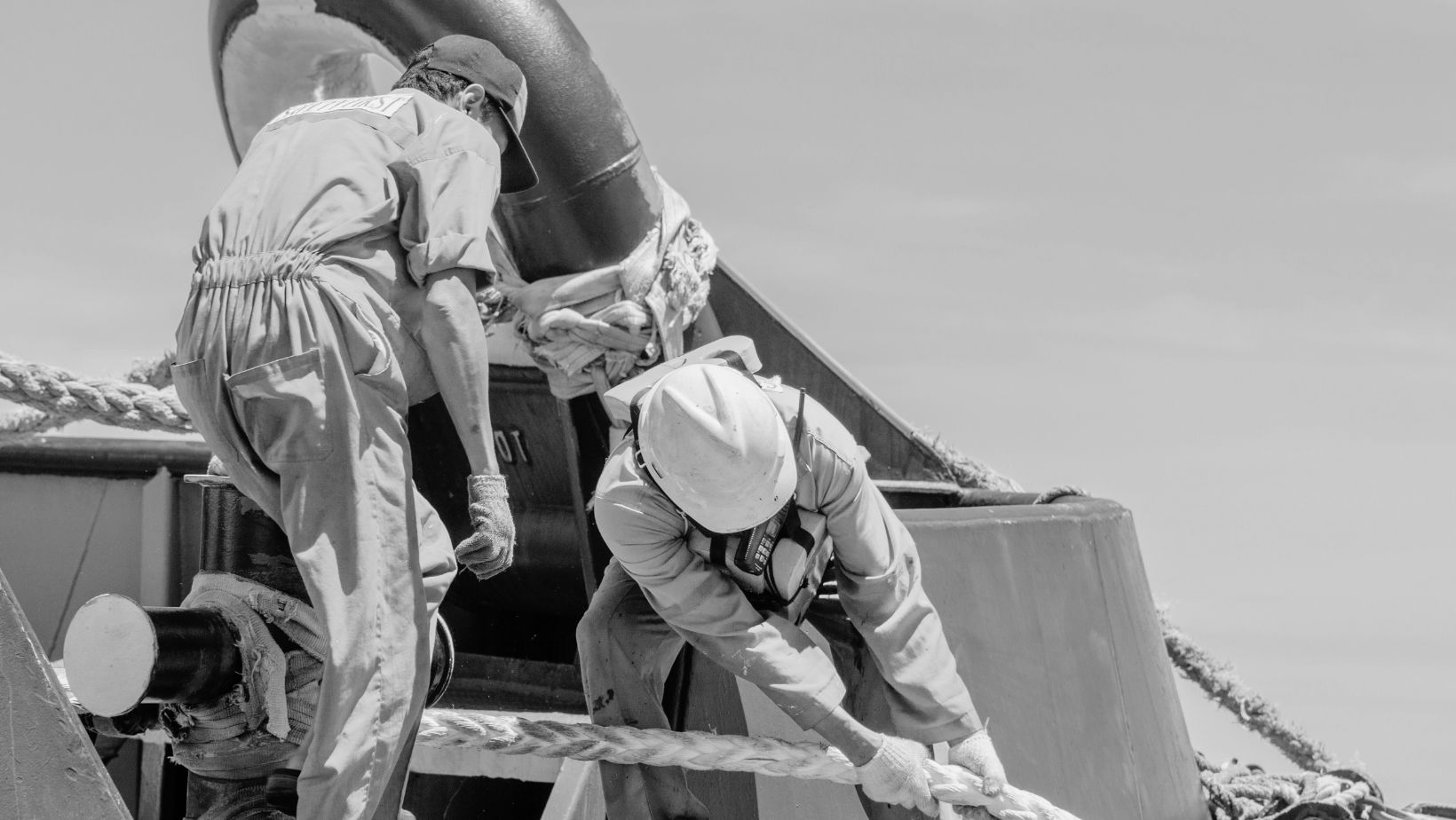
Attracting and retaining workers is a growing challenge throughout the economy, and that goes doubly for the waterways workforce—but that doesn’t mean employee turnover must
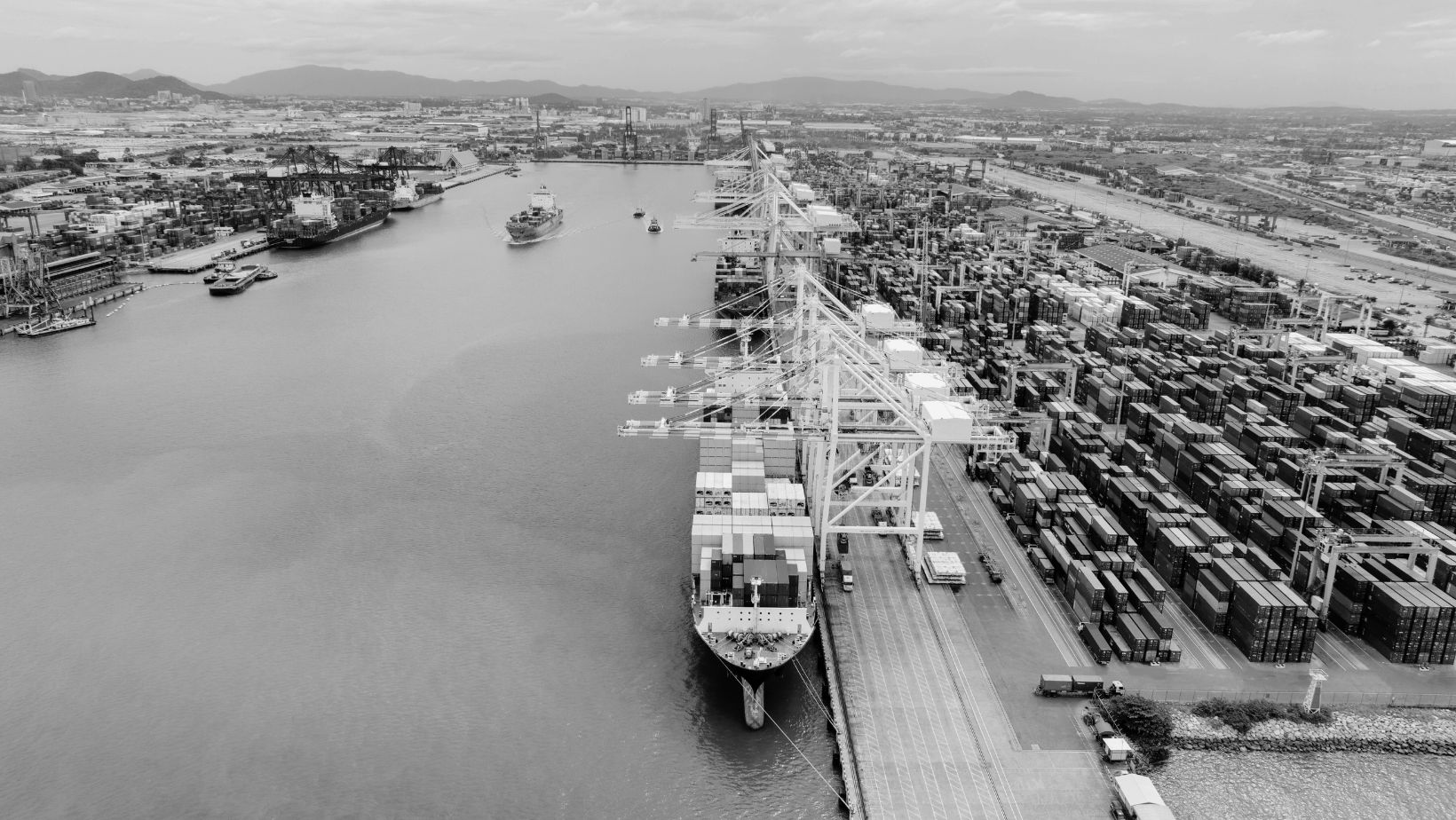
True, barges are more sustainable than other types of transport. But the industry will need to do more to “go green” to meet sustainability goals.
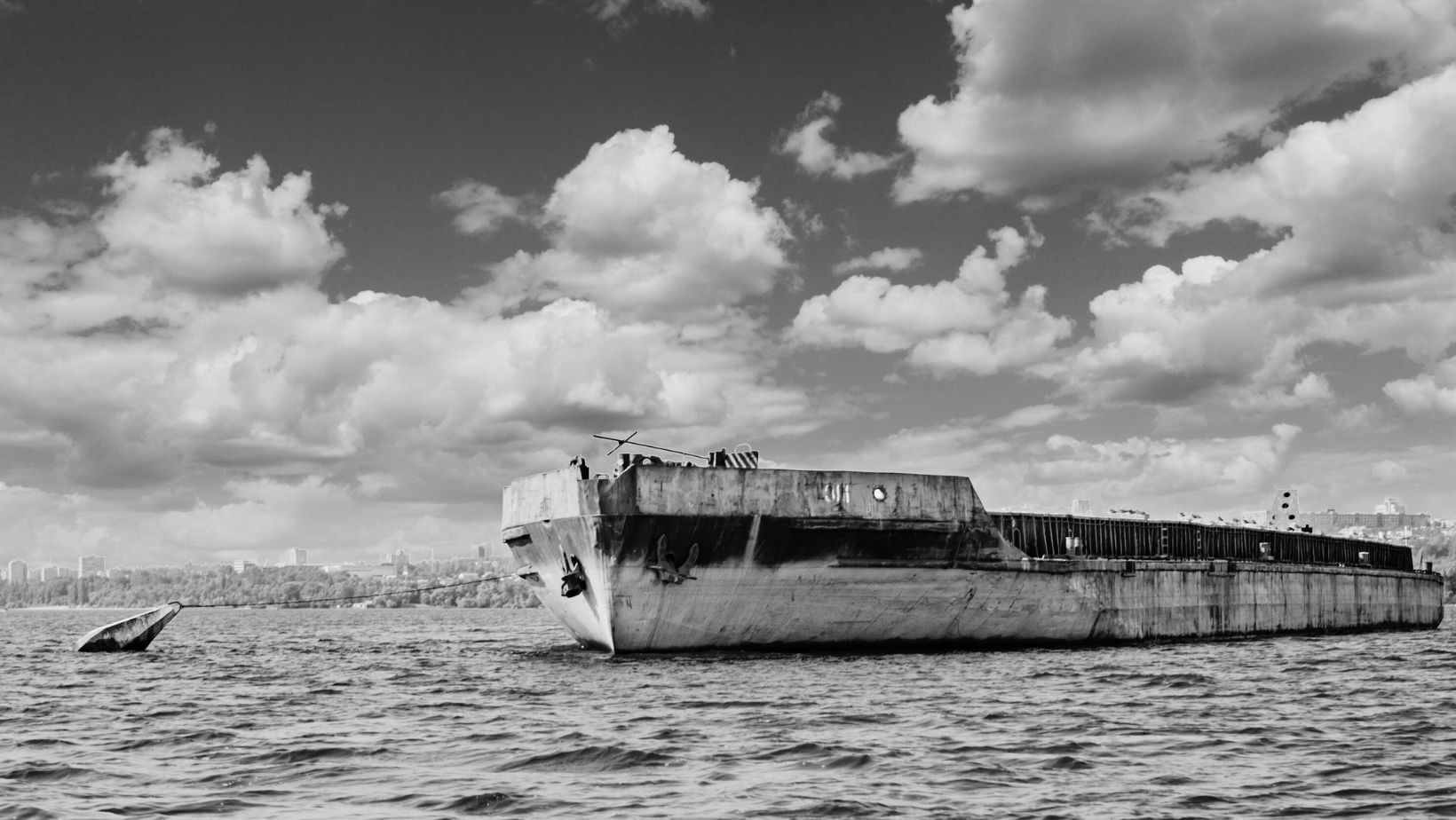
Barge breakaways are a nightmare for any owner or operator who experiences them. And since owners and operators can be found at fault if a
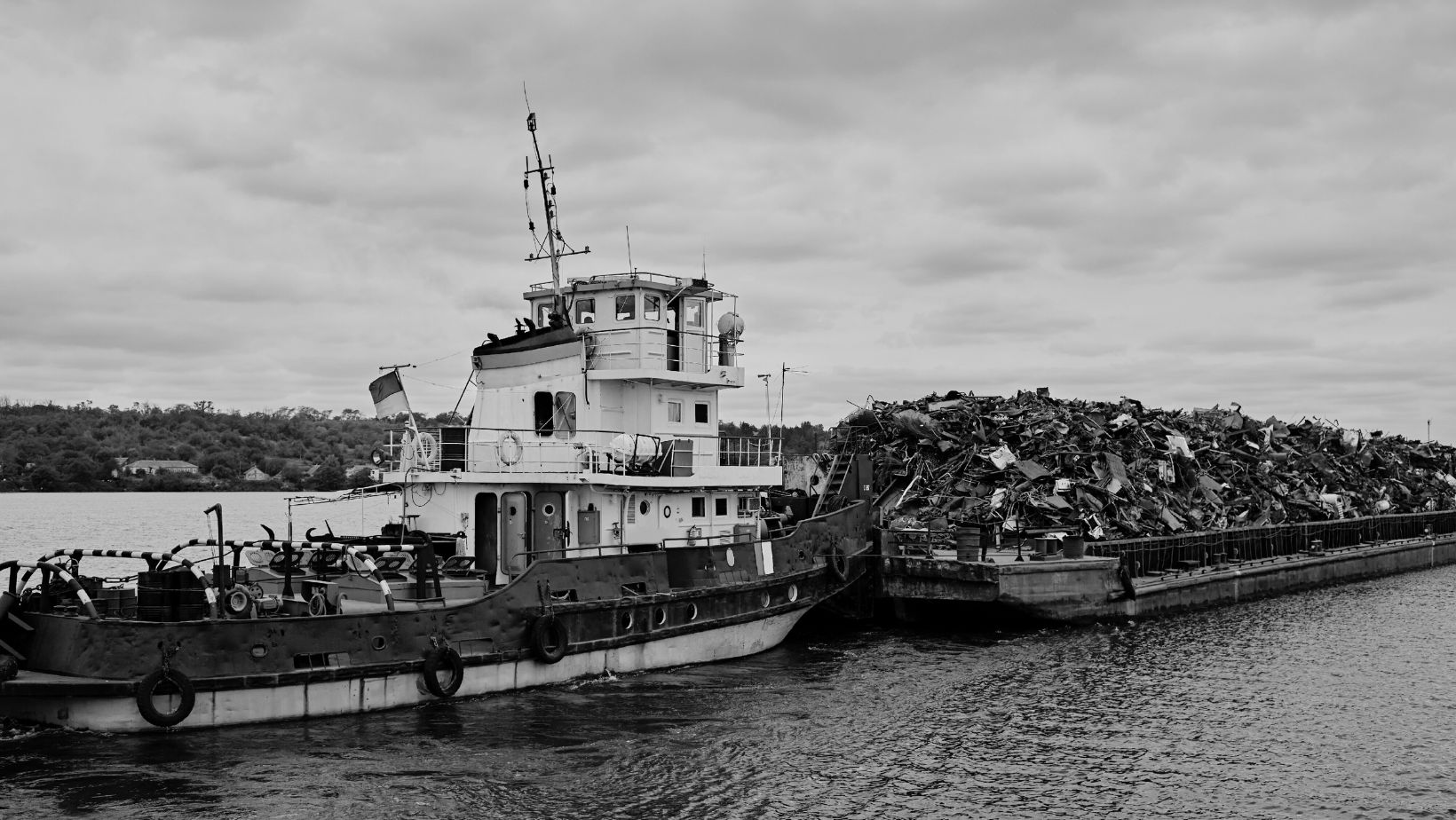
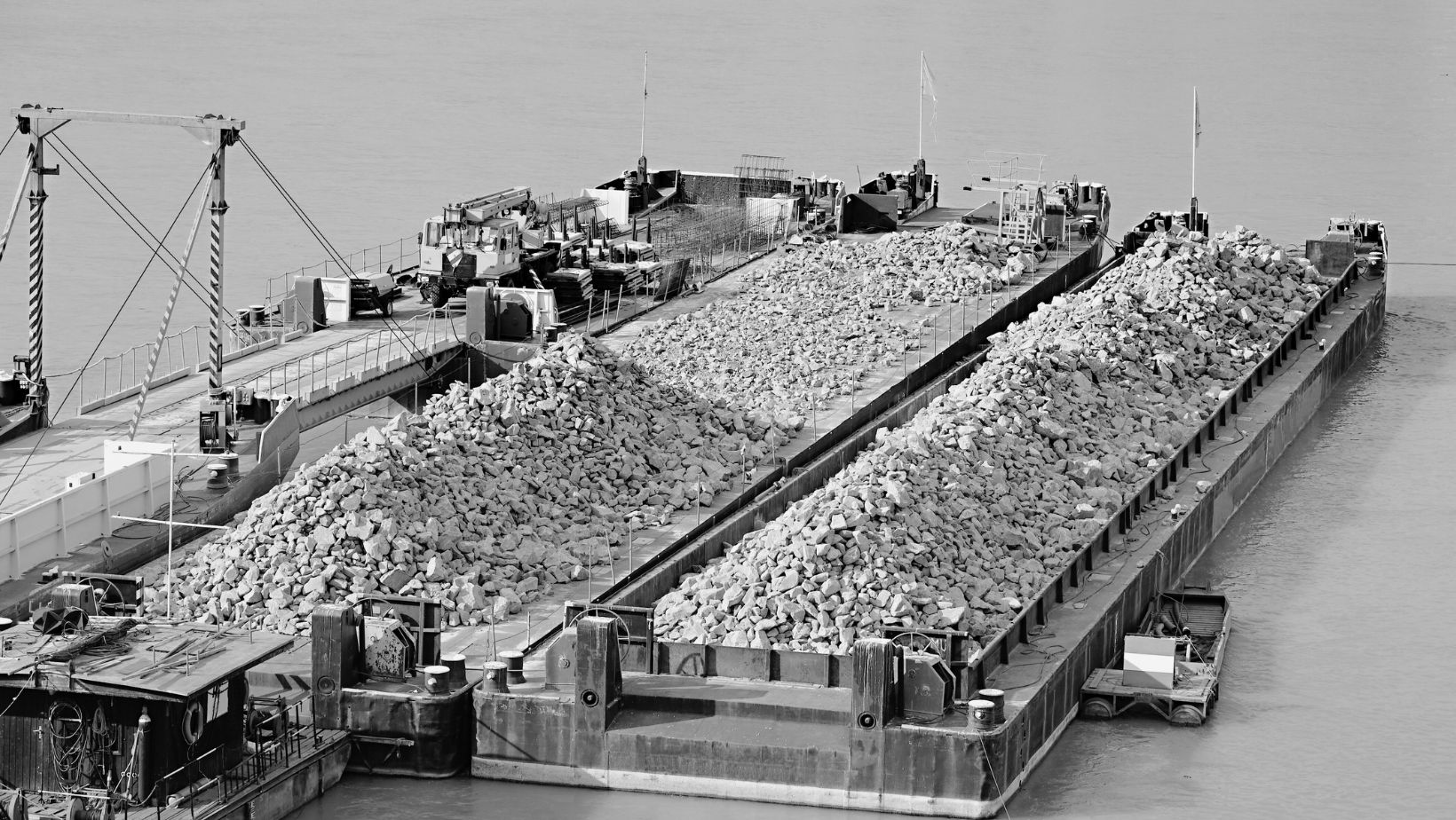
Fleeting operations require careful planning and coordination, as they involve the assembly, disassembly, and maintenance of barge tows in a way that maximizes space utilization
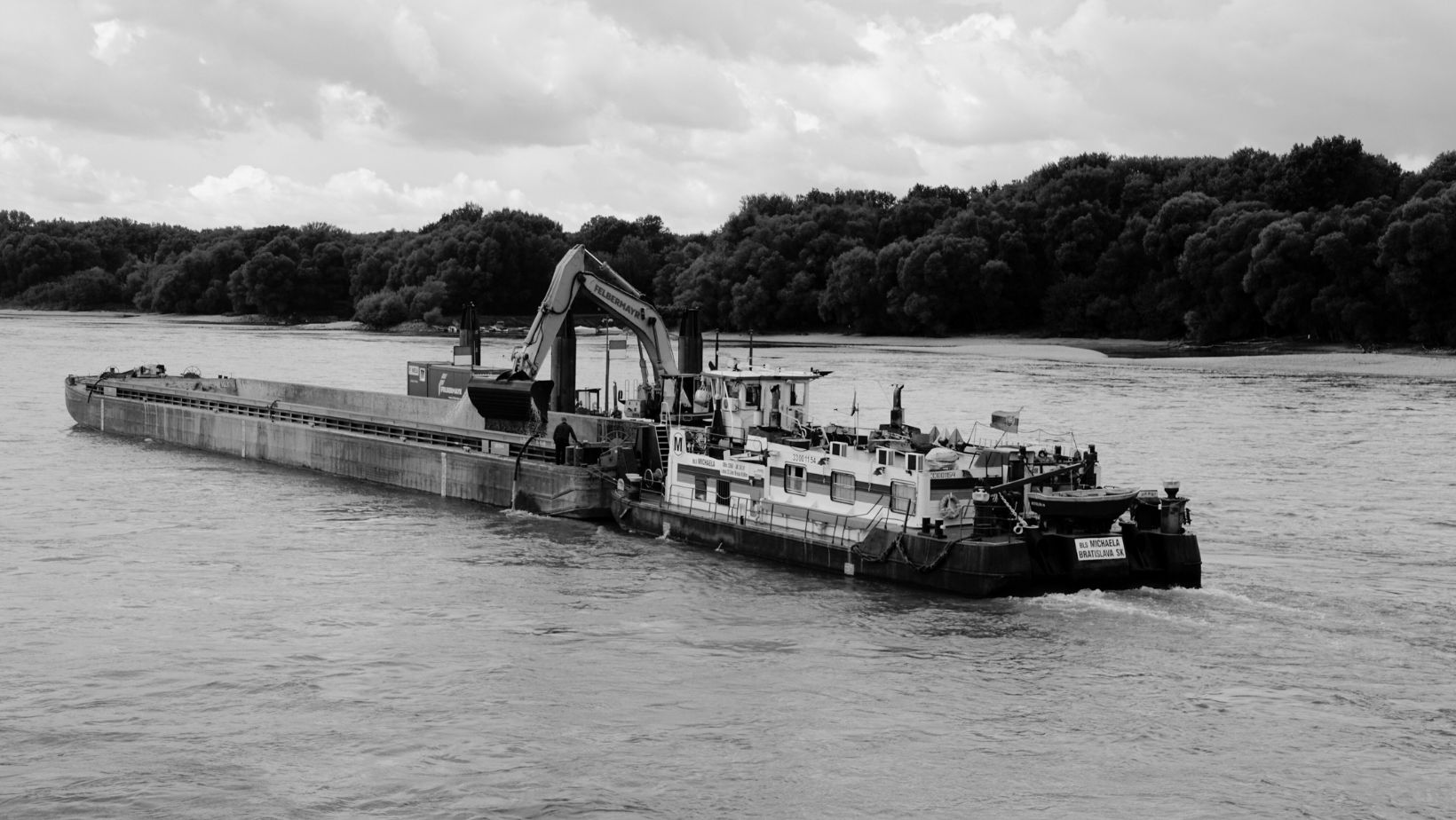
There’s no question that fuel costs for inland waterway transportation are lower than other modes. A report commissioned by the U.S. National Waterways Foundation shows
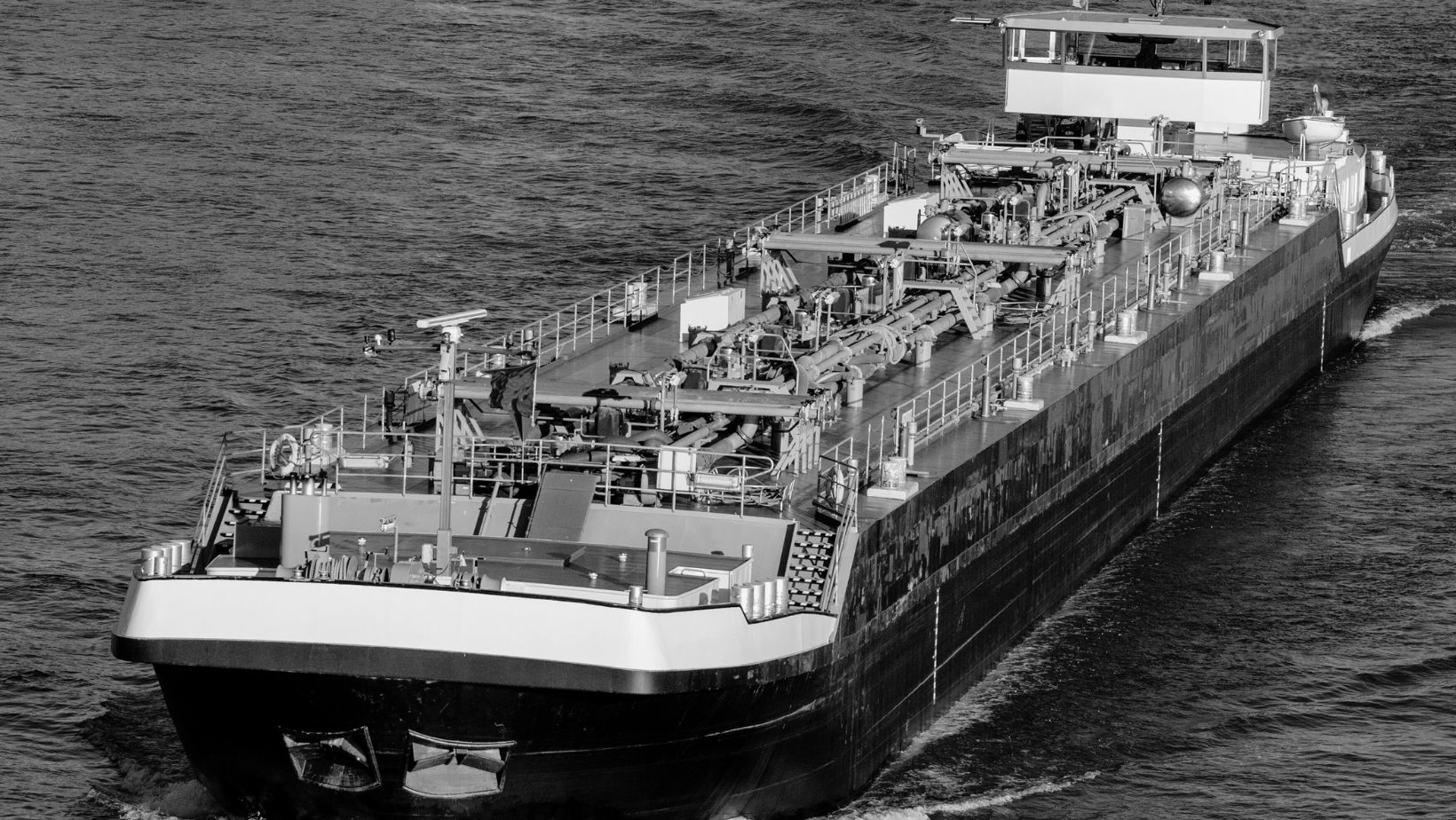
The Vessel General Permit (VGP) issued by the Environmental Protection Agency (EPA) in the United States represents a critical regulatory framework designed to minimize the

Year after year, drought conditions present a challenge across industries in the US, and the barge transportation industry is particularly hard-hit. Low river water levels
At first glance, contracts might seem pretty cut-and-dry—and certainly not the key to efficient barging operations. But contracts are more than legalese: They can help

Like all businesses, there are things outside of a barge operator’s control, like bad weather or a congested waterway. However, companies can still do some
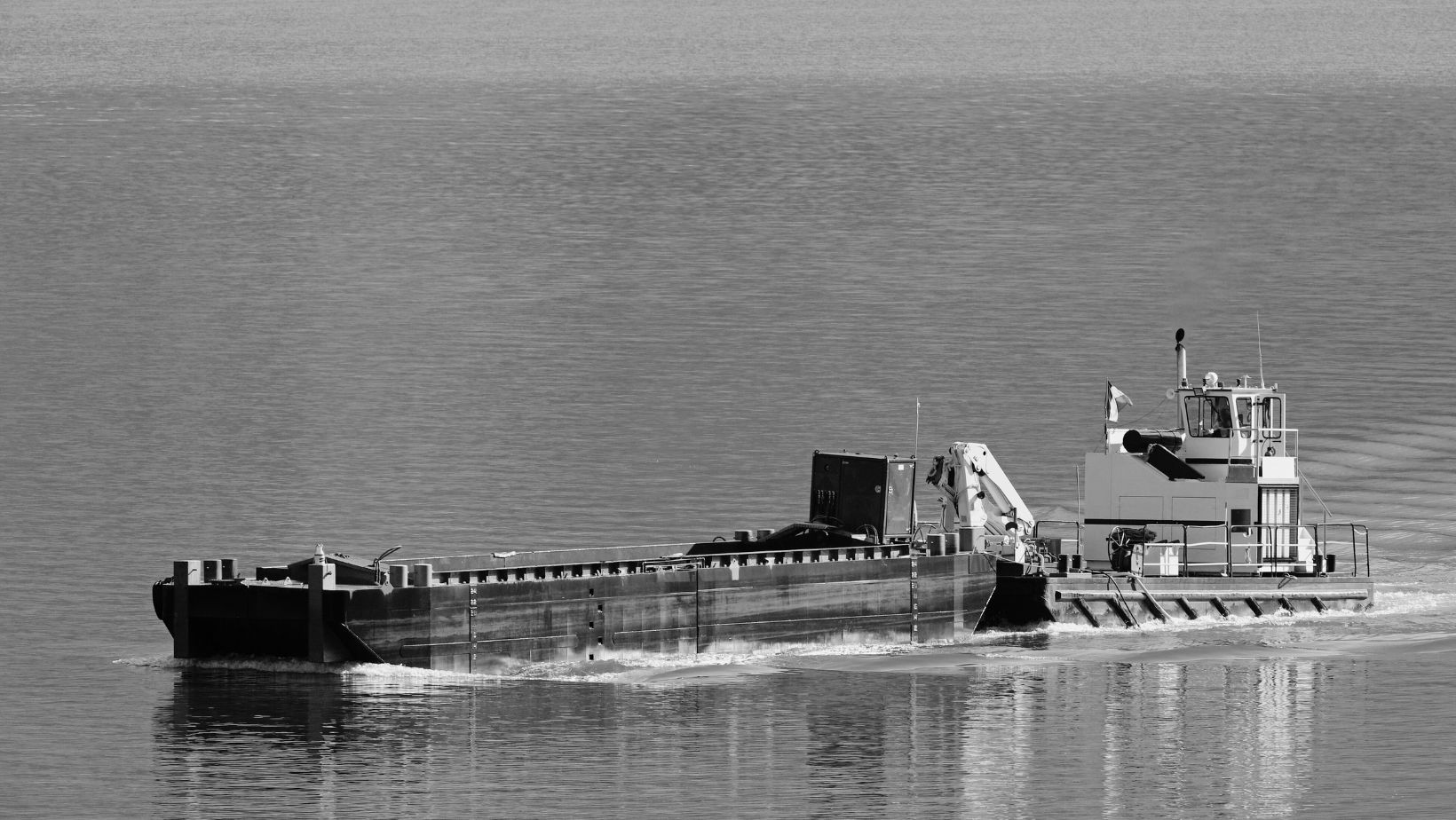
In the barge transportation industry, time is money. If items are delayed in port or in transit, that can mean additional costs, not to mention
We and selected third parties use cookies or similar technologies for technical purposes and, with your consent, for other purposes. You can consent to the use of such technologies by using the “Accept” button, by closing this notice, by scrolling this page, by interacting with any link or button outside of this notice or by continuing to browse otherwise.