
Modernizing Your Barge Business through Electrification
In the modern world, staying competitive means embracing new technologies that drive growth, efficiency, and sustainability. The inland marine industry is no exception. At BargeOps,

In the modern world, staying competitive means embracing new technologies that drive growth, efficiency, and sustainability. The inland marine industry is no exception. At BargeOps,

The aging infrastructure of inland waterways has been a challenge for the shipping industry for some time. With the passing of the Bipartisan Infrastructure Law,

There are no magic bullets when it comes to increasing efficiency in liquid transportation. Instead, small steps can have significant impacts when barge operators focus

Scaling a barge transport business demands simplifying and improving key processes, and invoicing is one critical area often overlooked. In the barge industry, invoicing is

The Establishment of a Vital Commercial Lifeline Stretching over 1,100 miles (1,800 km) between Brownsville, Texas, and Apalachee Bay, Florida, the Gulf Intracoastal Waterway (GIWW)

As data analytics revolutionizes the barge industry, inland marine revenue is poised for growth from $132 billion in 2023 to a projected $185 billion in
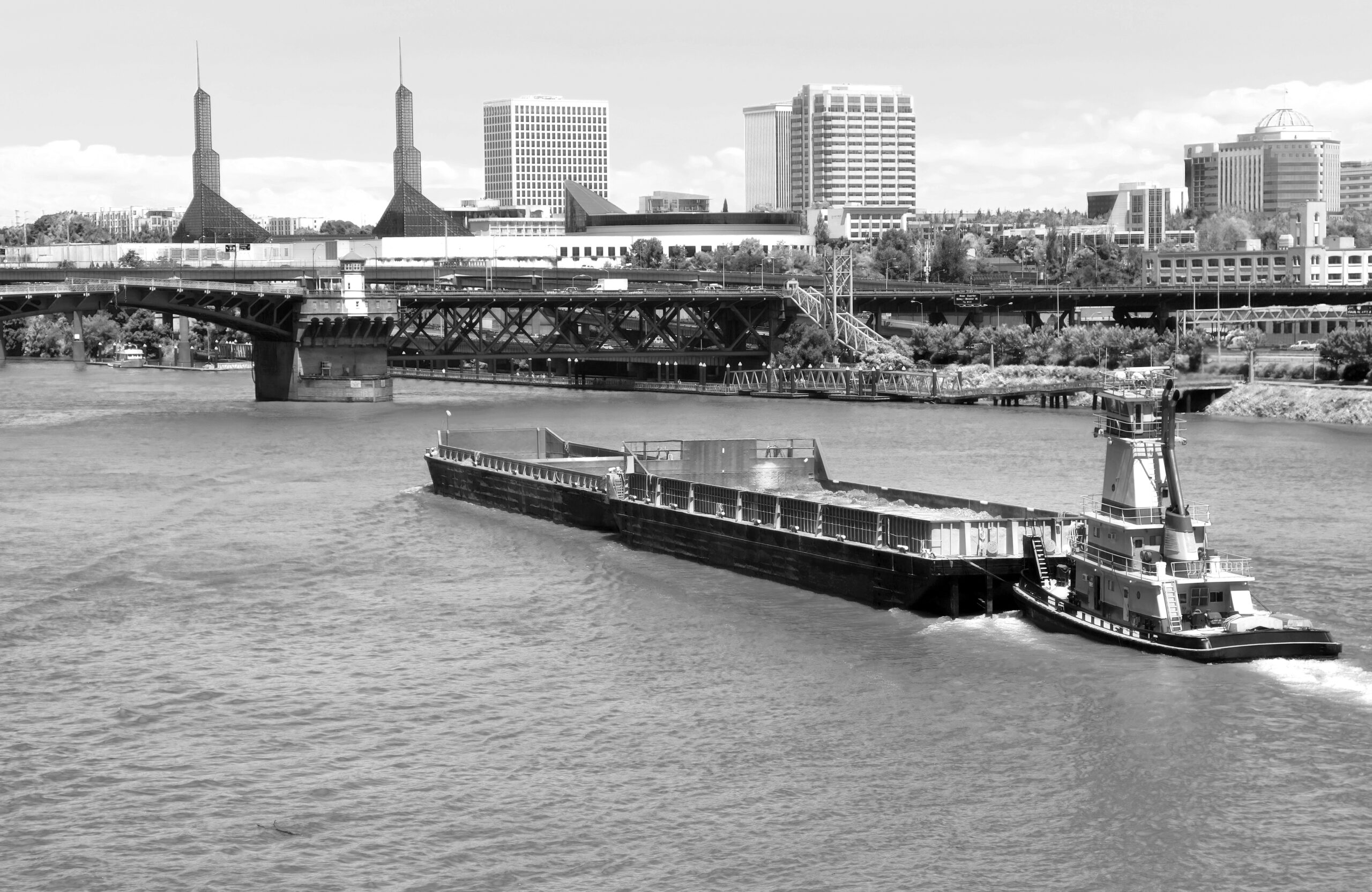
The barge transportation industry plays a vital role in the US economy, facilitating the movement of vast quantities of commodities and raw materials along the
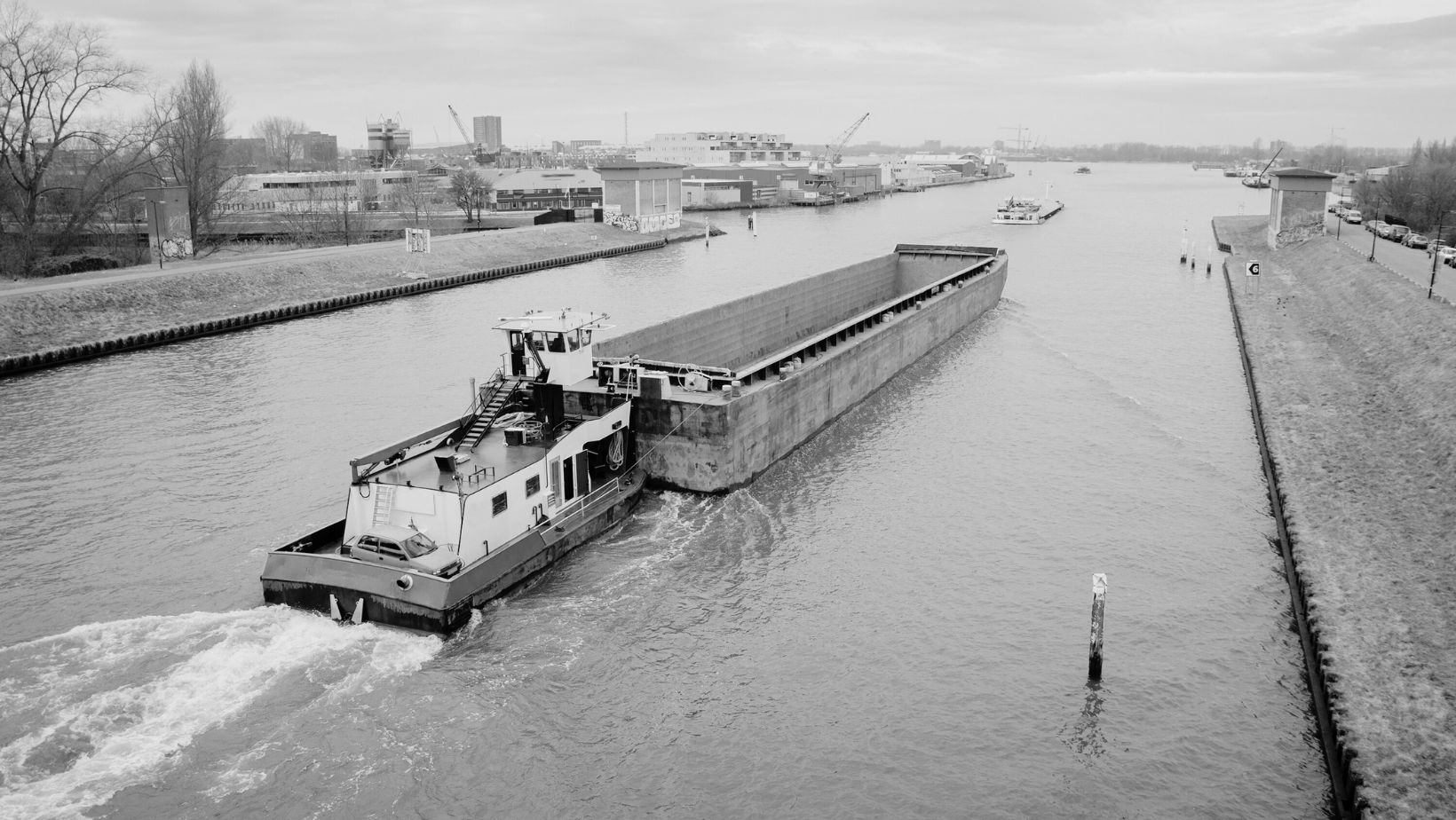
Today’s businesses run on data, and marine transport businesses are no exception. But collecting, sharing, and analyzing data are trickier when factoring in not only
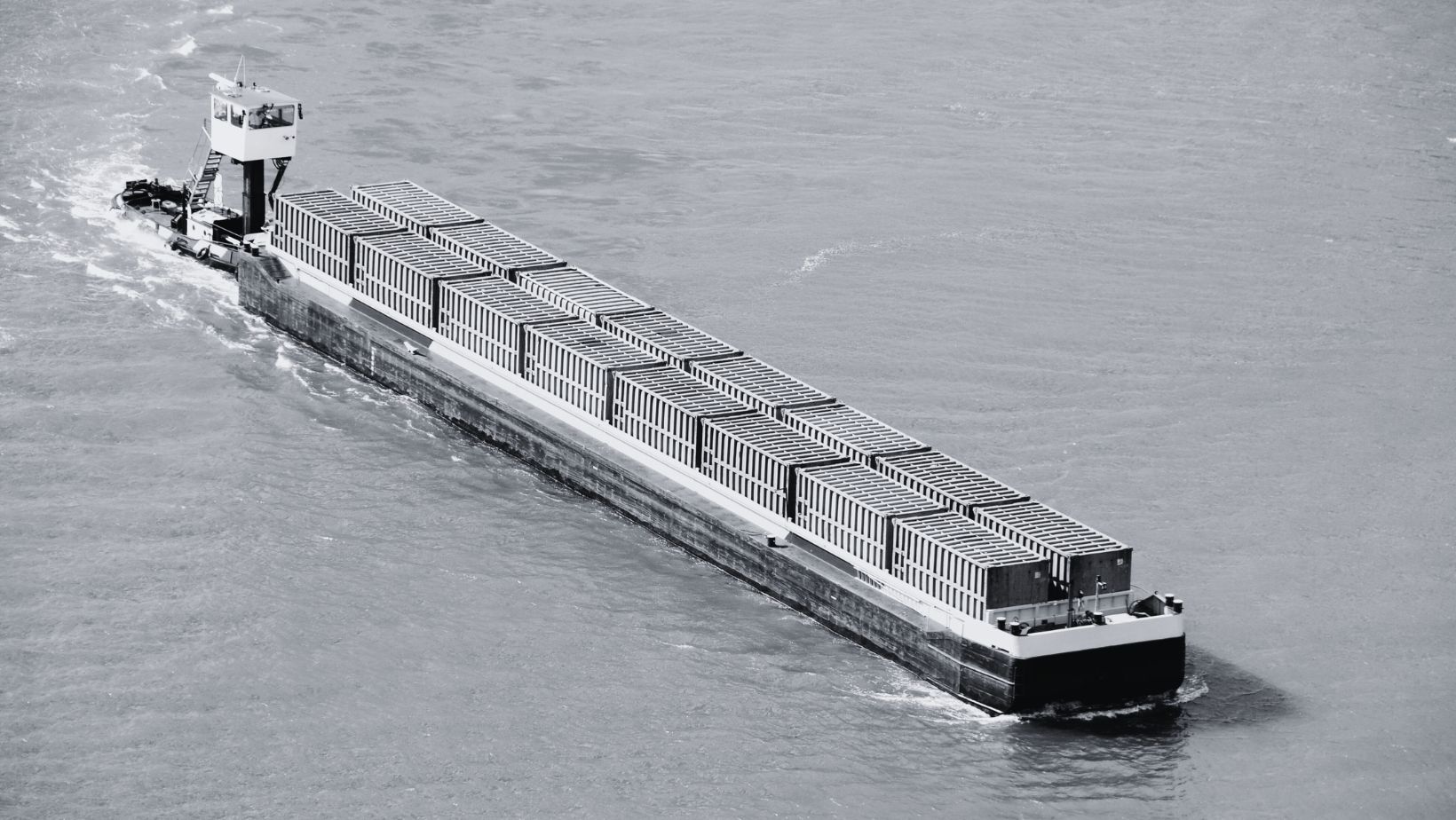
Amid all the challenges of daily operation in the barge transport industry, marine cybersecurity may not be the first thing that springs to mind. Yet,
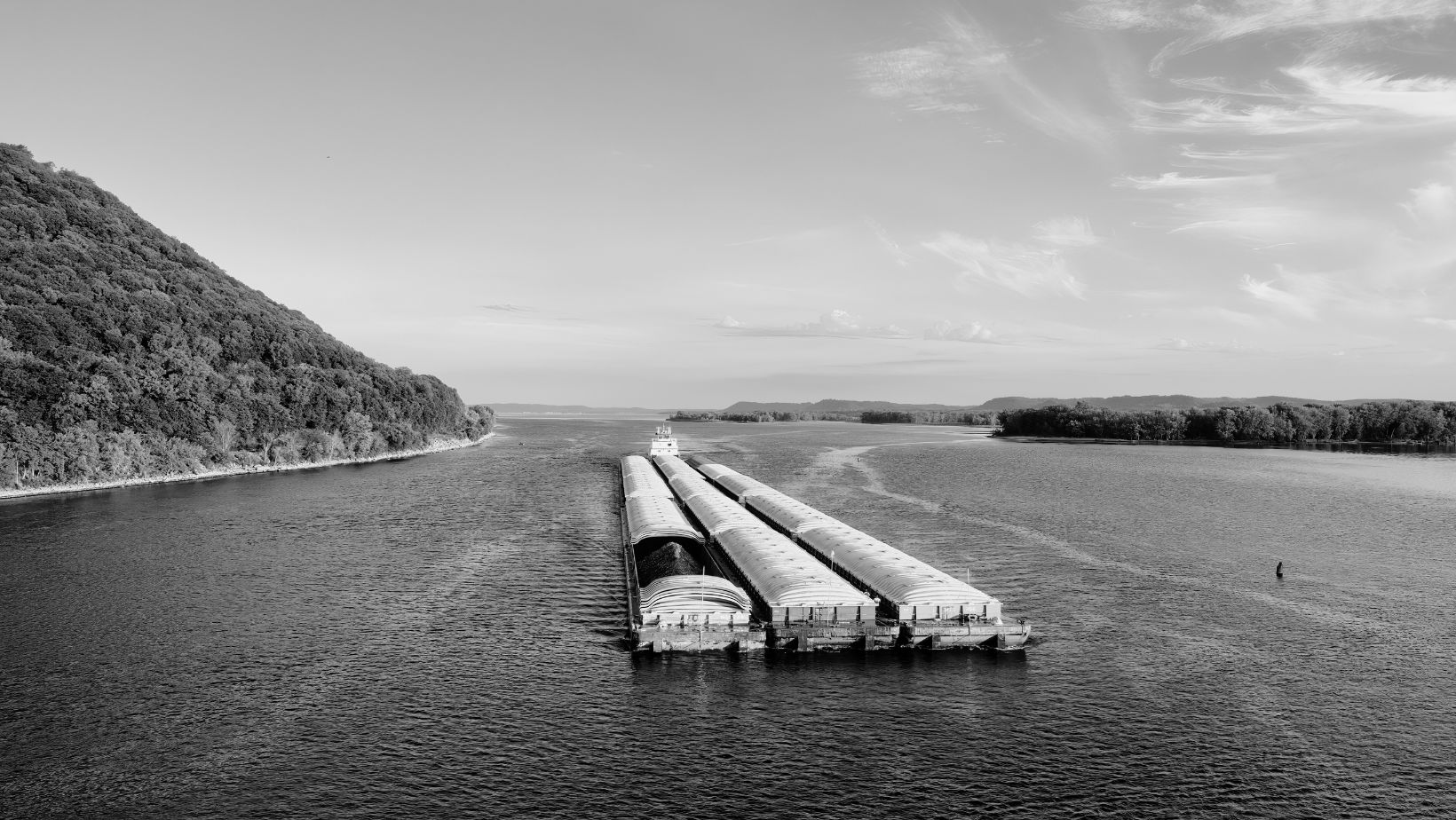
The barge transportation industry has been vital to the US economy for centuries, providing a cost-effective and environmentally sustainable way to move massive quantities of

Tugboat and barge workers are especially susceptible to danger while working on inland waterways. Despite OSHA barge safety guidelines for preventing slips on deck, wearing

Attracting and retaining workers is a growing challenge throughout the economy, and that goes doubly for the waterways workforce—but that doesn’t mean employee turnover must
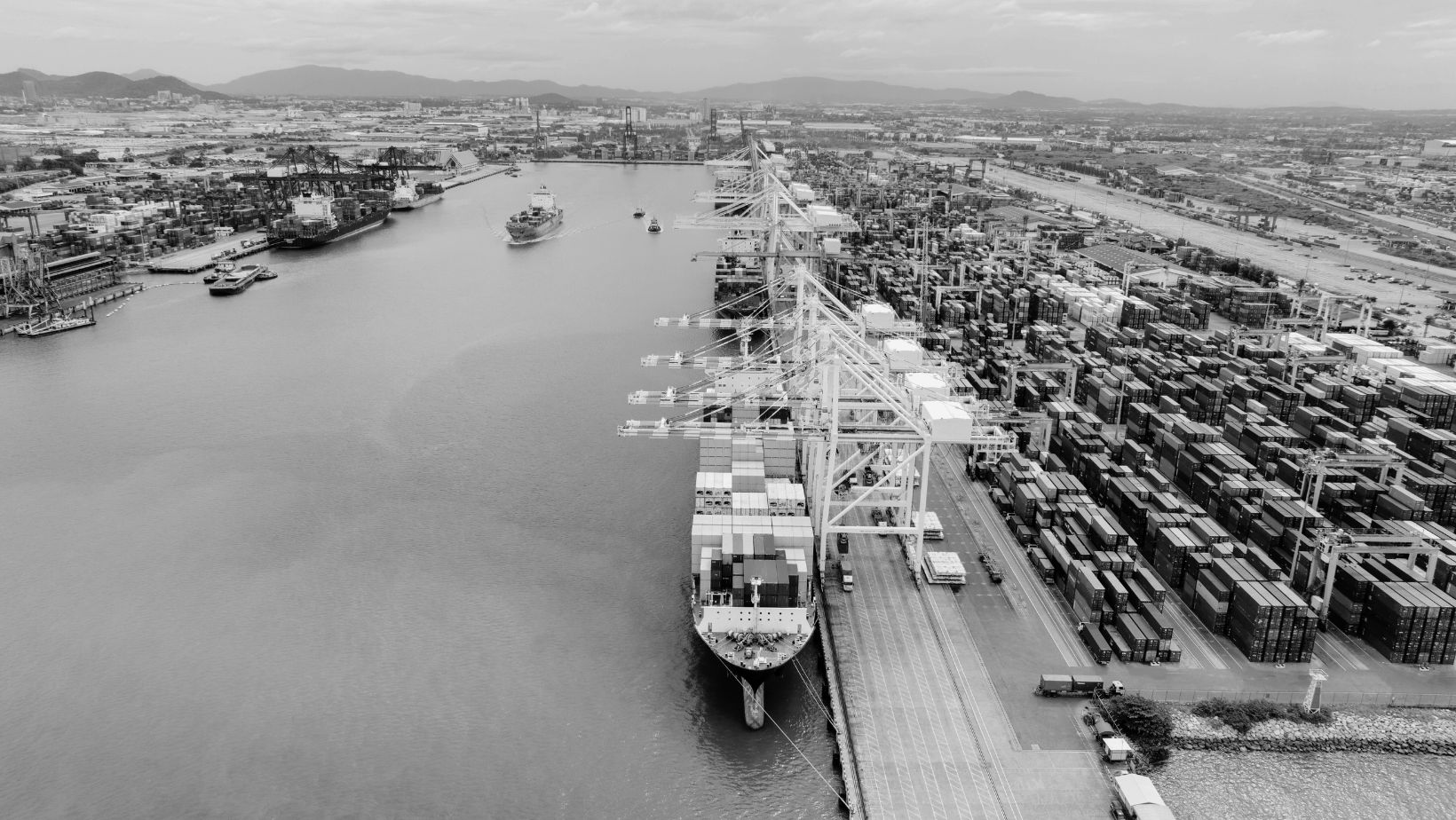
True, barges are more sustainable than other types of transport. But the industry will need to do more to “go green” to meet sustainability goals.
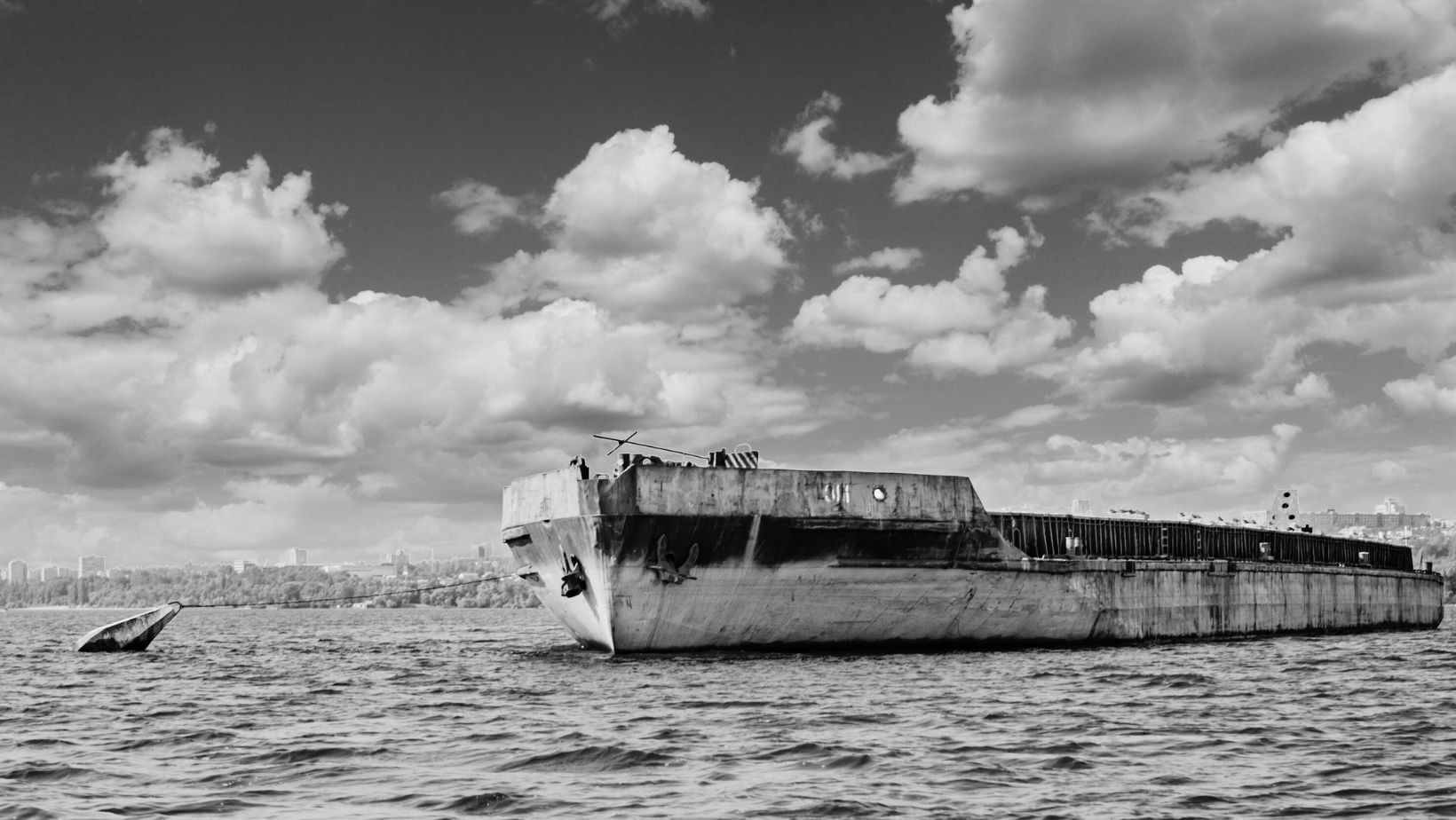
Barge breakaways are a nightmare for any owner or operator who experiences them. And since owners and operators can be found at fault if a
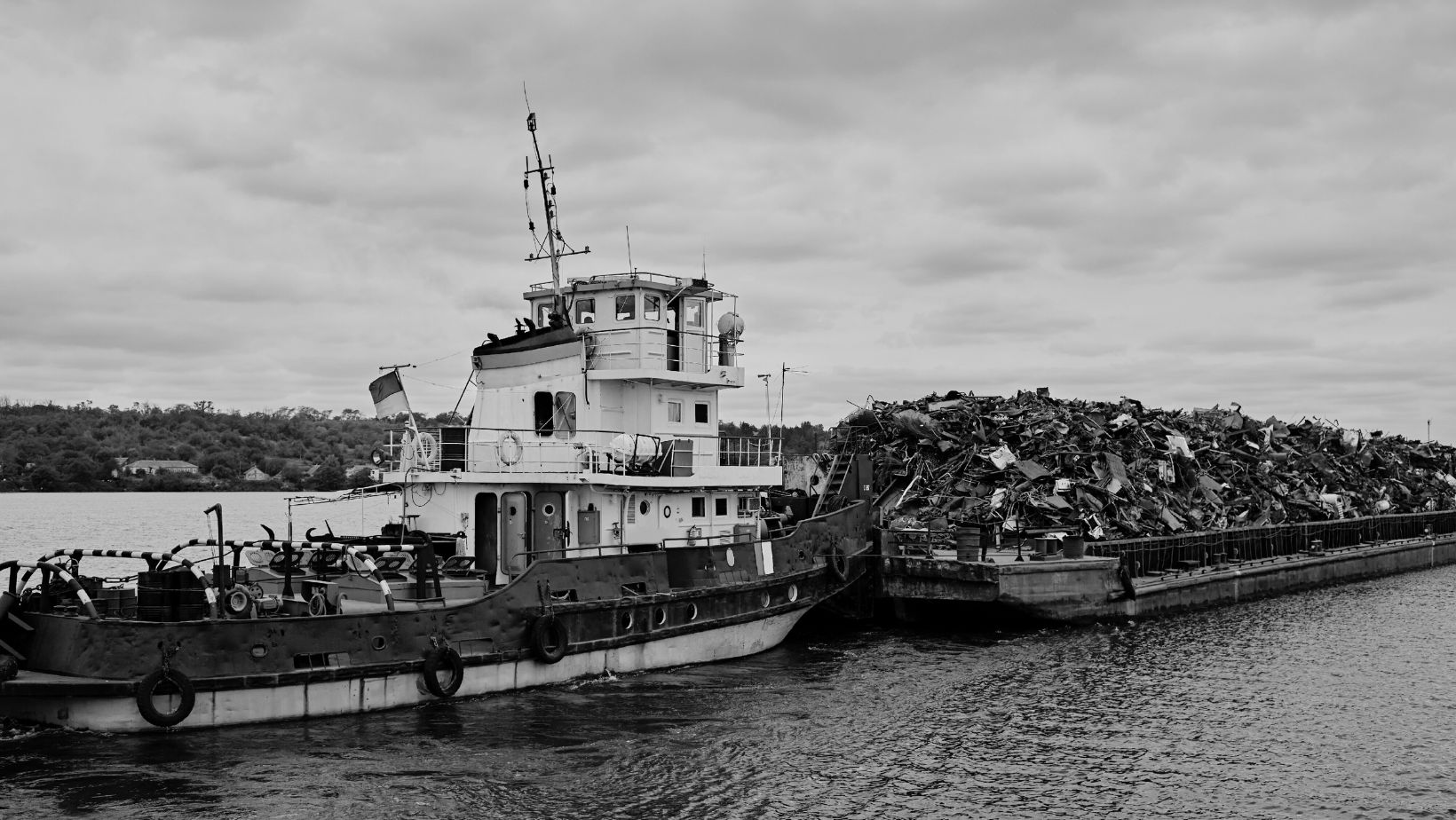
Fleeting operations require careful planning and coordination, as they involve the assembly, disassembly, and maintenance of barge tows in a way that maximizes space utilization
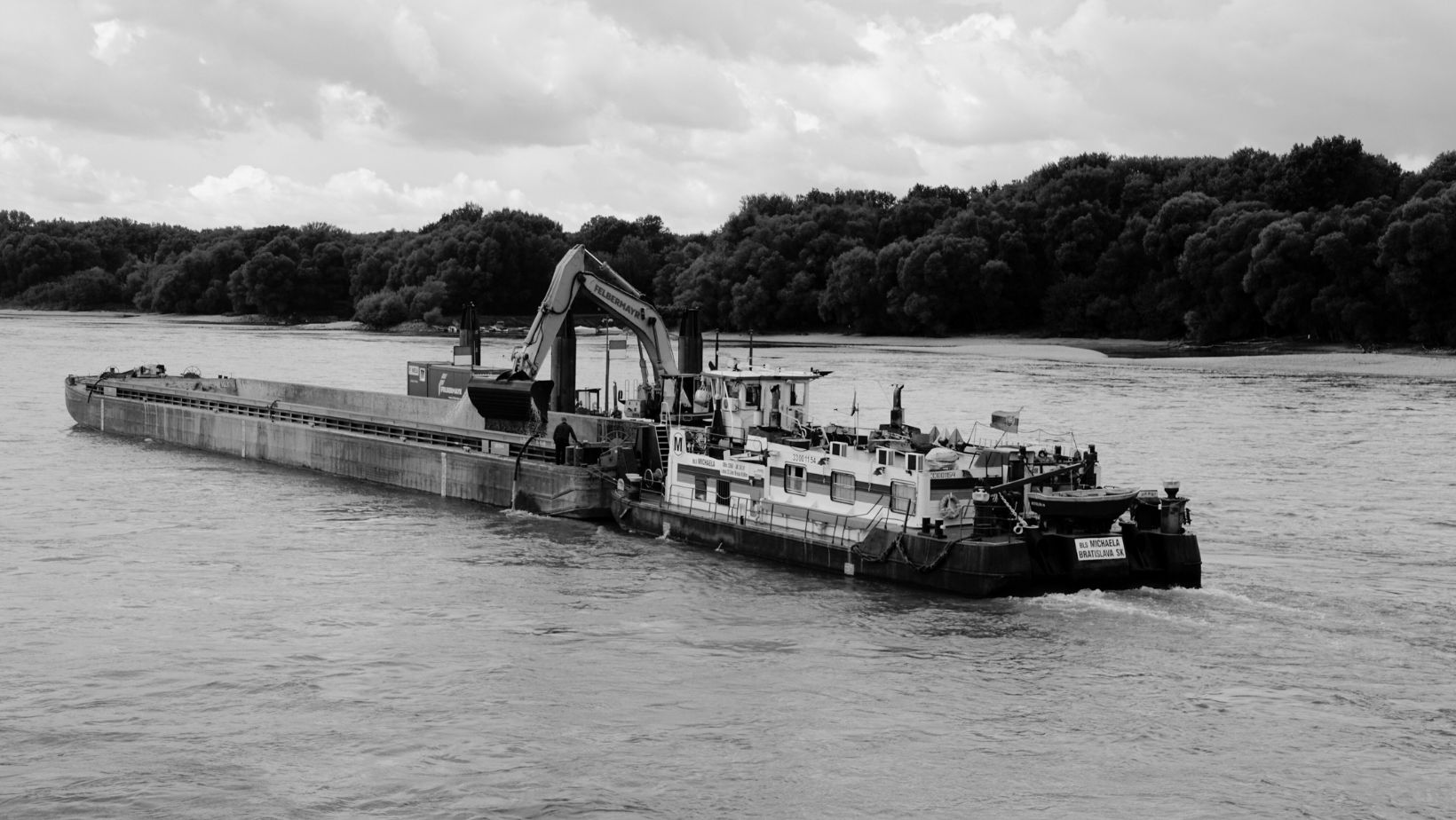
The Vessel General Permit (VGP) issued by the Environmental Protection Agency (EPA) in the United States represents a critical regulatory framework designed to minimize the
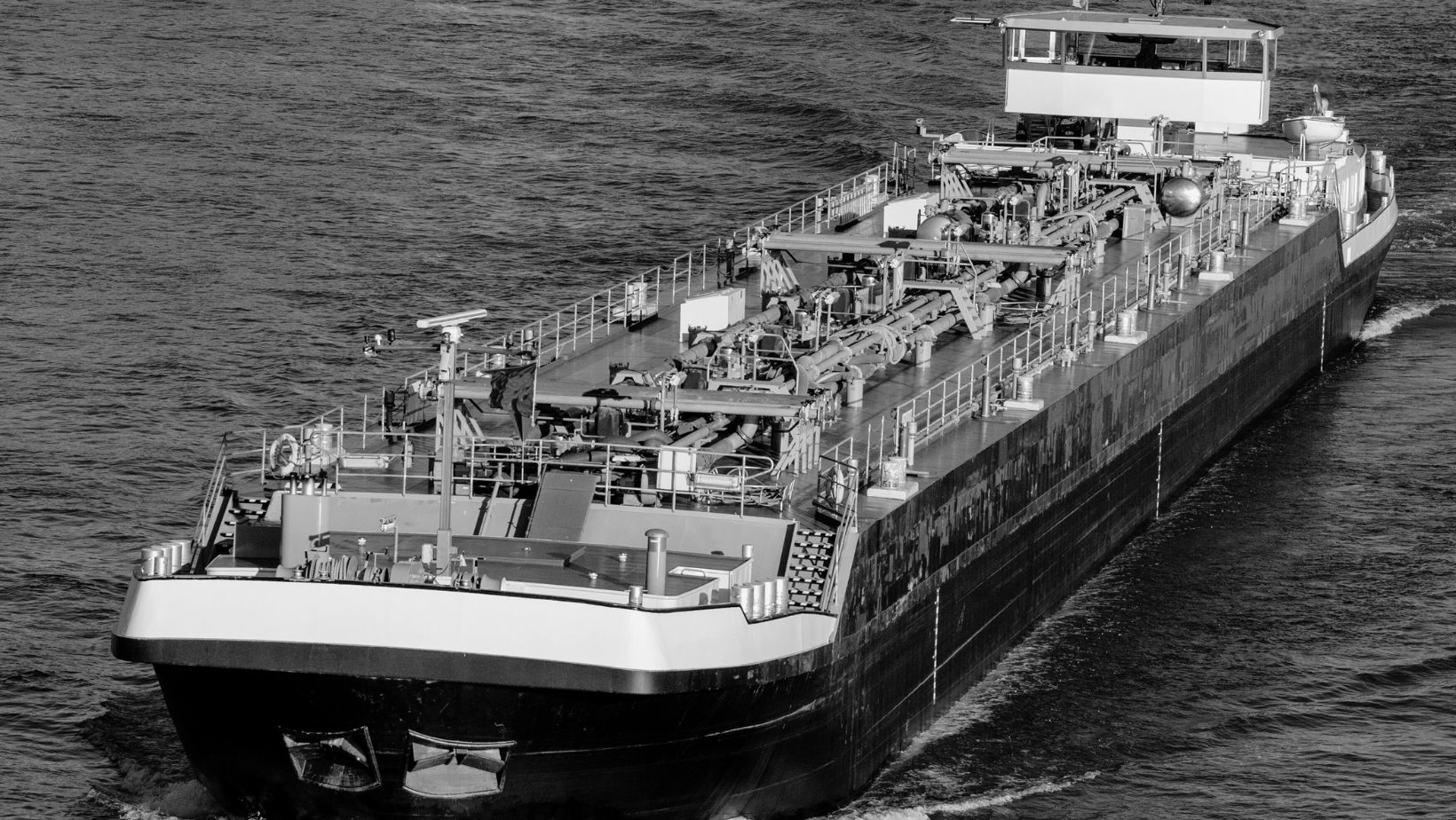
At first glance, contracts might seem pretty cut-and-dry—and certainly not the key to efficient barging operations. But contracts are more than legalese: They can help

Like all businesses, there are things outside of a barge operator’s control, like bad weather or a congested waterway. However, companies can still do some
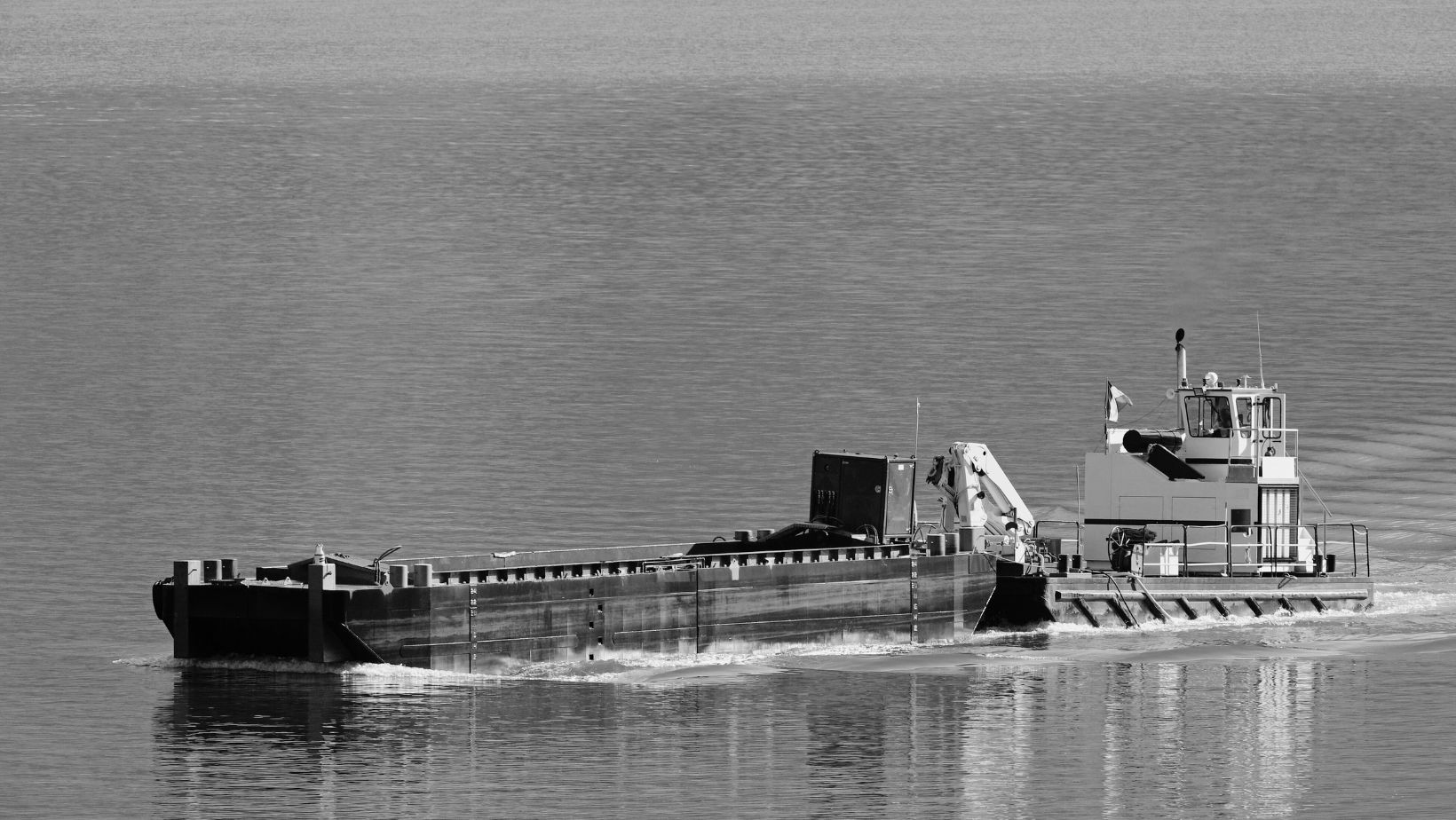
In the barge transportation industry, time is money. If items are delayed in port or in transit, that can mean additional costs, not to mention
Running a barge fleeting operation requires attention to an incredible array of details. It takes a well-trained and experienced team to ensure that customers receive
By David Murray The St. Louis-based software company BargeOps has been serving barge company owners and barge fleet managers for more than 20 years now.
We recently wrote about how BargeOps is Streamlining VGP Compliance. This post provides some additional information about this topic. Our goal is to help inland
Compliance on the river is one of many challenges for inland marine operators. One issue that everyone struggles with is the EPA’s VGP (Vessel General
By Mark Peterman (Second in a two-part series) In the first part of this two-part series on Electronic Data Interchange (EDI), which ran last month
By Mark Peterman President, Cornerstone Solutions Group First of a two-part series What do PDFs, papers, spreadsheets and emails all have in common? These are